New from our members:
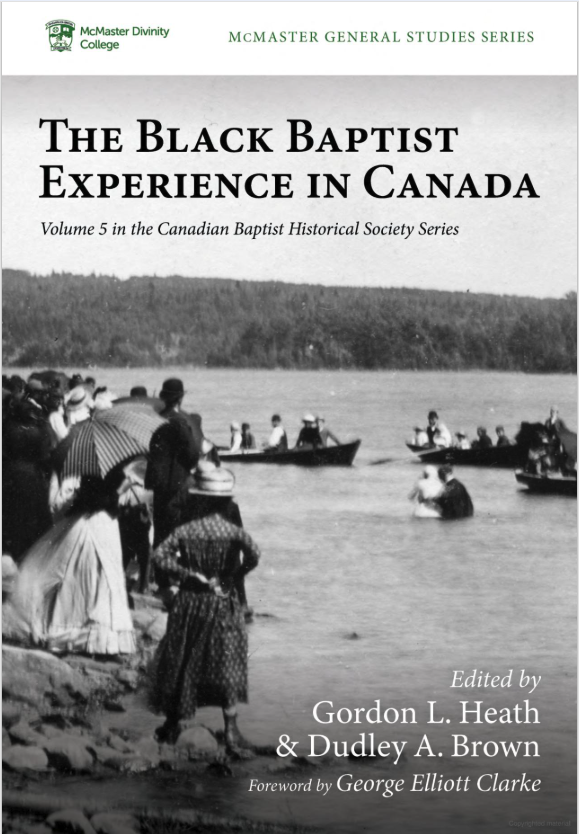
Gordon L. Heath and Dudley A. Brown. The Black Baptist Experience in Canada. Eugene, OR: McMaster Divinity College Press, 2025.
This groundbreaking book is a history of the Black Baptist experience in Canada. It includes diverse and informative chapters on events, themes, and organizations such as the underground railway, gender, architecture, literature, civil rights, empire, and associations. It also focuses on several key early churches from the West Coast to the East Coast, along with important personages.
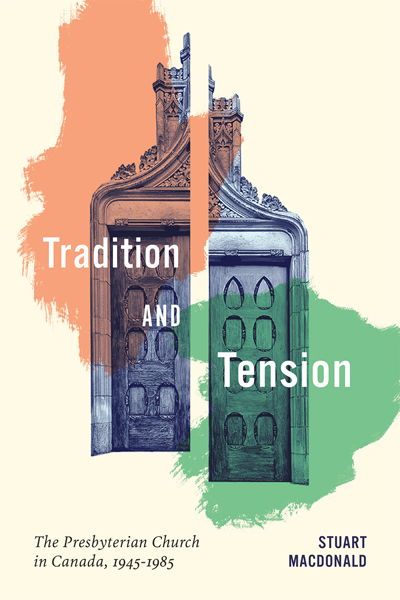
Stuart Macdonald. Tradition and Tension: The Presbyterian Church in Canada, 1945-1985. Montreal: McGill-Queen’s University Press, 2025.
In 1945 the Presbyterian Church was one of Canada’s largest and most culturally influential churches. This impressive standing, in the aftermath of a depression and a global war and just twenty years after much of its membership had departed to form the United Church of Canada, was a mark of the Presbyterian Church’s resilience and resourcefulness. Yet the denomination’s greatest challenges lay in the decades that followed.
Linda Ambrose. Pentecostal Preacher Woman: The Faith and Feminism of Bernice Gerard. Vancouver: UBC Press, 2024.
Evangelical pastor, talk-show host, university chaplain, municipal politician, musician. Pentecostal Preacher Woman explores the multifaceted life of the Reverend Bernice Gerard (1923–2008), one of the most influential spiritual figures of twentieth-century British Columbia, whose complicated blend of social conservatism and social compassion has lessons for our polarized times.

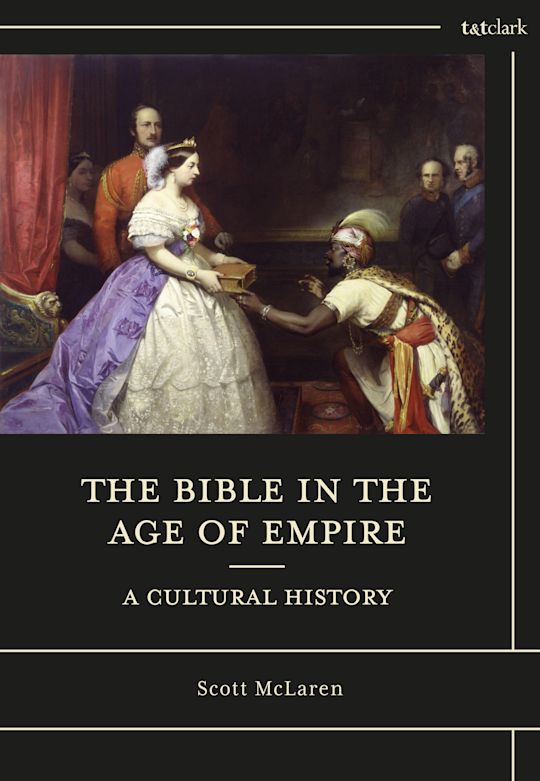
Scott McLaren, editor. The Bible in the Age of Empire: A Cultural History. London: Bloomsbury Publishing, 2024.
The essays in this book explore how the Bible shaped and was shaped by the social and cultural forces at work during the nineteenth century — forces that drove both scientific discovery and the colonial project, provoked unprecedented economic gain and condemned countless workers to urban poverty, gave birth to women’s rights movements and reinforced traditional gender norms. Ultimately, all the essays in this book demonstrate one thing: that the nineteenth century emerges in its greatest clarity only when we approach it as the Victorians themselves approached it: through the lens of the Bible.
Subscribe
Subscribe to get our the latest stories in your inbox.
 Canadian Society of Church History